Hey there, folks! I’m a supplier of forage pulpers, and today I wanna talk about a question that often pops up: Does a forage pulper need to be calibrated regularly? Well, let’s dive right into it. Forage Pulper
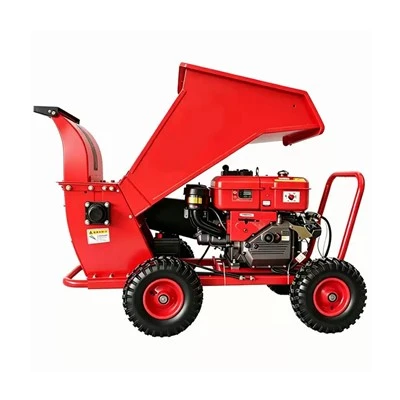
First off, let me give you a quick rundown of what a forage pulper does. It’s a machine designed to process forage, like grass, hay, and silage. It breaks down the forage into a pulp, which can then be used for animal feed, biofuel production, or other applications. It’s a pretty nifty piece of equipment, but like any machine, it needs to be in tip – top shape to work its best.
So, back to the question. The short answer is yes, a forage pulper does need to be calibrated regularly. Why, you ask? Well, there are a few good reasons.
Accuracy of Pulping
One of the main reasons for regular calibration is to ensure the accuracy of the pulping process. Over time, the components of the forage pulper can wear out. The blades might get dull, the belts could stretch, and the sensors may become less precise. When these things happen, the machine might not be able to break down the forage into the right consistency.
For example, if you’re using the pulp for animal feed, the animals need a certain particle size to digest it properly. If the pulper isn’t calibrated, the particles might be too large or too small. Too large, and the animals may have trouble chewing and digesting the feed, which can lead to health problems and lower feed efficiency. Too small, and the pulp might not have enough structure, which can also affect the animals’ eating habits and overall health.
Efficiency and Productivity
Calibration also plays a big role in the efficiency and productivity of the forage pulper. A well – calibrated machine runs more smoothly. It uses less energy because all the parts are working together in harmony. When the machine is out of calibration, it has to work harder to achieve the same results.
Let’s say the blades are dull. The pulper will have to use more power to cut through the forage, which means higher energy costs. And if the belts are loose, the machine might not be able to transfer the forage through the system at the right speed, leading to slower production times. By calibrating regularly, you can keep the machine running at peak efficiency, saving you both time and money in the long run.
Quality Control
In industries where the forage pulp is used for specific purposes, like biofuel production, quality control is crucial. The properties of the pulp, such as its moisture content, particle size, and density, need to meet certain standards. Regular calibration helps to maintain these properties within the acceptable range.
If the moisture content is too high, it can cause problems during the biofuel production process, like clogging the equipment or reducing the energy output of the fuel. By calibrating the sensors that measure moisture, you can make sure that the pulp has the right amount of moisture for optimal biofuel production.
How Often Should You Calibrate?
Now, you’re probably wondering how often you should calibrate your forage pulper. Well, it depends on a few factors.
If the machine is used frequently, say several hours a day, then it should be calibrated at least once a month. High – usage machines experience more wear and tear, so more frequent calibration is necessary to keep them in good working condition.
On the other hand, if the pulper is used only occasionally, like a few times a week, then a quarterly calibration might be sufficient. But even with less frequent use, it’s still important to check the calibration periodically to catch any issues early.
The Calibration Process
The calibration process for a forage pulper isn’t overly complicated, but it does require some technical know – how. First, you need to check the alignment of the blades. They should be sharp and properly positioned to ensure a clean cut through the forage. You can use a blade – sharpening tool to maintain the blade’s edge and a measuring device to check the alignment.
Next, you need to test the sensors. These sensors are responsible for measuring things like moisture content, particle size, and temperature. You can use calibration standards to verify that the sensors are giving accurate readings. If the readings are off, you may need to adjust or replace the sensors.
The belts and pulleys also need to be inspected. Check for any signs of wear, such as cracks or fraying. Make sure they are properly tensioned so that they can transfer power efficiently.
Benefits for Our Customers
As a forage pulper supplier, I know that regular calibration can be a hassle for our customers. That’s why we offer calibration services as part of our after – sales support. Our team of experts can come to your site and perform a thorough calibration of your forage pulper.
By using our calibration services, you can be confident that your machine is in top condition. You’ll get more accurate pulping, higher efficiency, and better – quality pulp. And because we know the ins and outs of our machines, we can often spot potential problems before they turn into major issues, saving you from costly repairs down the line.
Conclusion
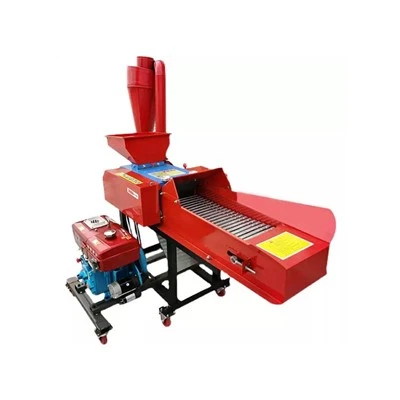
So, to sum it all up, a forage pulper definitely needs to be calibrated regularly. It’s essential for accurate pulping, efficiency, productivity, and quality control. Whether you’re using the pulp for animal feed or biofuel production, regular calibration ensures that you’re getting the best results from your machine.
Forage Pulper If you’re in the market for a forage pulper or need calibration services for your existing machine, don’t hesitate to reach out. We’re here to help you get the most out of your equipment. Let’s have a chat and see how we can work together to meet your needs.
References
- "Agricultural Machinery Maintenance Guide" – A comprehensive guide on maintaining various agricultural machines.
- "Forage Processing Technology" – A research publication on the latest techniques in forage processing.
- "Animal Feed Science and Technology" – A journal that often features articles on the quality requirements of forage – based animal feed.
Zhengzhou Xinyihaotong Machinery Manufacturing Co., Ltd.
As one of the most professional forage pulper manufacturers in China, we also support custom service. We warmly welcome you to buy high quality forage pulper for sale here from our factory. For price consultation, contact us.
Address: Rooms 2301–2312, Jiayi Building, Xinxiang City, Henan Province, China
E-mail: zhaoyixuan5566@gmail.com
WebSite: https://www.xyhtmachinery.com/
