Pipe repair clamps are essential tools in various industries, offering a quick and effective solution for fixing leaks in pipes. One of the critical questions that often arises is whether these clamps are resistant to chemicals. As a supplier of pipe repair clamps, I have encountered this query numerous times from customers across different sectors. In this blog, I will delve into the topic of chemical resistance of pipe repair clamps, exploring the factors that influence it, the types of chemicals they can withstand, and the importance of choosing the right clamp for chemically challenging environments. Pipe Repair Clamp
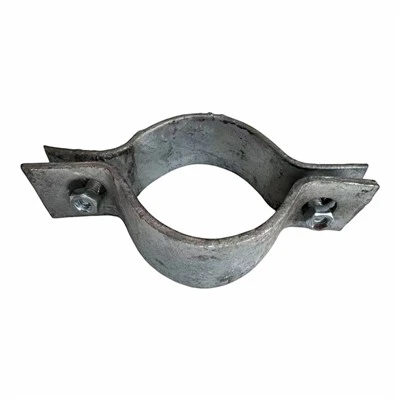
Understanding Chemical Resistance in Pipe Repair Clamps
Chemical resistance refers to the ability of a material to withstand the corrosive effects of chemicals without significant degradation. When it comes to pipe repair clamps, this is of utmost importance as they may come into contact with a wide range of chemicals in industrial, commercial, and residential settings. The materials used in the construction of pipe repair clamps play a crucial role in determining their chemical resistance.
Common materials used for pipe repair clamps include stainless steel, carbon steel, and various polymers. Stainless steel is highly resistant to corrosion and is often the material of choice for applications where chemical exposure is a concern. It contains chromium, which forms a passive oxide layer on the surface, protecting the metal from further corrosion. Different grades of stainless steel offer varying levels of chemical resistance, with some grades being more suitable for specific chemicals than others.
Carbon steel, on the other hand, is more prone to corrosion and may require additional coatings or treatments to improve its chemical resistance. Coatings such as epoxy, zinc, or galvanizing can provide a protective barrier between the steel and the chemicals it comes into contact with. However, these coatings may have limitations in terms of the types and concentrations of chemicals they can withstand.
Polymers are another category of materials used in pipe repair clamps. They offer several advantages, including good chemical resistance, flexibility, and ease of installation. Some polymers, such as polypropylene and polyethylene, are highly resistant to a wide range of chemicals, making them suitable for applications where exposure to acids, alkalis, and solvents is expected. However, polymers may have limitations in terms of temperature resistance and mechanical strength compared to metals.
Factors Influencing Chemical Resistance
Several factors influence the chemical resistance of pipe repair clamps. These include the type of chemical, its concentration, temperature, and the duration of exposure.
Type of Chemical
Different chemicals have different corrosive properties, and the resistance of a pipe repair clamp to a particular chemical depends on its chemical composition. For example, acids and alkalis can be highly corrosive and may require clamps made from materials with high chemical resistance, such as certain grades of stainless steel or polymers. Oxidizing agents, such as chlorine and hydrogen peroxide, can also cause corrosion and may require special coatings or materials to prevent damage.
Concentration
The concentration of the chemical also plays a significant role in its corrosive effect. Higher concentrations of chemicals are generally more corrosive than lower concentrations. For example, a dilute solution of hydrochloric acid may not cause significant damage to a pipe repair clamp, but a concentrated solution can rapidly corrode the material. It is essential to consider the concentration of the chemical when selecting a pipe repair clamp.
Temperature
Temperature can affect the chemical resistance of pipe repair clamps in several ways. Higher temperatures can increase the rate of chemical reactions, making the material more susceptible to corrosion. Additionally, some materials may become more brittle or lose their mechanical properties at high temperatures, reducing their effectiveness as a repair solution. It is crucial to choose a pipe repair clamp that is suitable for the operating temperature of the system.
Duration of Exposure
The longer a pipe repair clamp is exposed to a chemical, the greater the likelihood of corrosion. Continuous exposure to chemicals can gradually degrade the material, leading to leaks and failures. In some cases, short-term exposure to a chemical may not cause significant damage, but long-term exposure can have a cumulative effect. It is important to consider the duration of exposure when evaluating the chemical resistance of a pipe repair clamp.
Types of Chemicals and Compatibility
Pipe repair clamps may come into contact with a wide range of chemicals in different industries. Here are some common types of chemicals and their compatibility with different materials used in pipe repair clamps:
Acids
Acids are highly corrosive chemicals and can cause significant damage to pipe repair clamps if not properly addressed. Some acids, such as hydrochloric acid, sulfuric acid, and nitric acid, are particularly corrosive. Stainless steel grades such as 316 and 317 are commonly used for applications involving acids, as they offer good resistance to a wide range of acid concentrations. Polymers such as polypropylene and polyethylene can also be used in some acid applications, especially at lower concentrations and temperatures.
Alkalis
Alkalis, such as sodium hydroxide and potassium hydroxide, can also be corrosive to pipe repair clamps. Stainless steel grades 304 and 316 are generally resistant to alkalis, but the resistance may vary depending on the concentration and temperature of the solution. Polymers such as polypropylene and polyethylene are also resistant to many alkalis and can be used in applications where exposure to alkalis is expected.
Solvents
Solvents, such as alcohols, ketones, and hydrocarbons, can dissolve or swell certain materials used in pipe repair clamps. Polymers are generally more resistant to solvents than metals, but the resistance can vary depending on the type of polymer and the solvent. Some polymers, such as polytetrafluoroethylene (PTFE), are highly resistant to solvents and can be used in applications where exposure to solvents is a concern.
Oxidizing Agents
Oxidizing agents, such as chlorine, hydrogen peroxide, and ozone, can cause corrosion and degradation of pipe repair clamps. Stainless steel grades with high chromium and molybdenum content, such as 316L, are generally more resistant to oxidizing agents than other grades. Coatings and linings can also be used to improve the resistance of pipe repair clamps to oxidizing agents.
Importance of Choosing the Right Pipe Repair Clamp
Selecting the right pipe repair clamp for chemically challenging environments is crucial to ensure the long-term integrity and performance of the system. Using a clamp that is not resistant to the chemicals present in the system can lead to premature failure, leaks, and costly repairs.
When choosing a pipe repair clamp, it is important to consider the following factors:
Chemical Compatibility
As discussed earlier, the chemical compatibility of the pipe repair clamp with the chemicals in the system is of utmost importance. It is essential to consult the chemical resistance charts provided by the clamp manufacturer or seek expert advice to determine the most suitable material for the application.
Operating Conditions
The operating conditions of the system, including temperature, pressure, and flow rate, can also affect the performance of the pipe repair clamp. It is important to choose a clamp that is designed to withstand the specific operating conditions of the system.
Mechanical Strength
In addition to chemical resistance, the mechanical strength of the pipe repair clamp is also important. The clamp should be able to withstand the pressure and forces exerted on it without deforming or failing. It is important to choose a clamp that has been tested and certified to meet the relevant industry standards.
Ease of Installation
The ease of installation of the pipe repair clamp can also be a factor to consider, especially in applications where quick repairs are required. Some clamps are designed for easy installation and can be installed without the need for special tools or equipment.
Conclusion
In conclusion, pipe repair clamps can be resistant to chemicals, but the level of resistance depends on the materials used, the type of chemicals, their concentration, temperature, and the duration of exposure. As a supplier of pipe repair clamps, it is our responsibility to provide our customers with the right information and guidance to help them choose the most suitable clamp for their specific application.
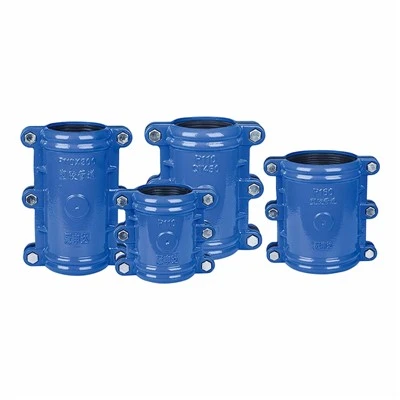
If you are facing a pipe leak in a chemically challenging environment and need a reliable pipe repair solution, we are here to help. Our team of experts can assist you in selecting the right pipe repair clamp based on your specific requirements. We offer a wide range of high-quality pipe repair clamps made from different materials to ensure chemical compatibility and optimal performance.
Repair Clamp Contact us today to discuss your pipe repair needs and let us help you find the perfect solution for your system.
References
- ASM Handbook, Volume 13A: Corrosion: Fundamentals, Testing, and Protection, ASM International
- ASTM Standards on Corrosion and Chemical Resistance
- Manufacturer’s Product Data Sheets for Pipe Repair Clamps
Fujian Fufa Valve Manufacturing Co., Ltd.
As one of the most professional pipe repair clamp manufacturers and suppliers in China, we’re featured by quality products and good price. Please rest assured to buy durable pipe repair clamp made in China here from our factory. Welcome to view our website for more information.
Address: Meilin Xikou Industrial Zone, Nan’an City, Quanzhou City, Fujian Province
E-mail: hongwenjin@fufafamen.cn
WebSite: https://www.fufavalve.com/
