In the realm of safety and security, the choice between riot gear and regular protective equipment is a critical decision for law enforcement agencies, security personnel, and various organizations. As a supplier of riot gear, I’ve witnessed firsthand the diverse requirements and challenges faced by those in need of reliable protection. This blog aims to delve into the key differences between riot gear and regular protective equipment, shedding light on their unique features, applications, and the factors that make riot gear a specialized solution for high – risk scenarios. Riot Gear
Design and Functionality
Riot Gear
Riot gear is designed to withstand the extreme conditions of riot control and civil unrest. It is engineered to protect the wearer from a wide range of threats, including projectiles such as rocks, bottles, and Molotov cocktails, as well as physical attacks like punches, kicks, and stabbing attempts.
One of the most distinctive features of riot gear is its heavy – duty construction. Helmets, for example, are made from high – impact resistant materials like polycarbonate. They often come with a visor that provides full face protection against flying objects and chemical agents. The visor is designed to be scratch – resistant and shatterproof, ensuring clear visibility even in the most chaotic situations.
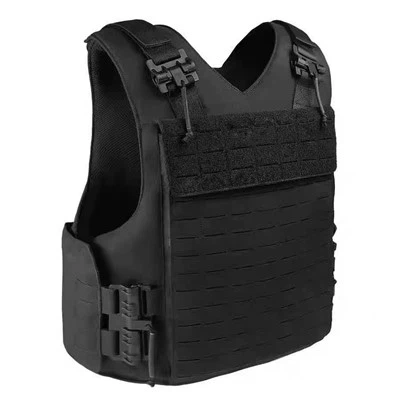
Body armor in riot gear is also more robust compared to regular protective equipment. It typically consists of multiple layers of padding and hard plates. The padding absorbs and disperses the impact of blows, while the hard plates offer protection against sharp objects. Riot shields are another essential component of riot gear. They are large, usually made of transparent polycarbonate or opaque fiberglass, and are strong enough to withstand repeated impacts from various projectiles.
Regular Protective Equipment
Regular protective equipment, on the other hand, is designed for more general – purpose protection. For example, construction workers’ safety gear is mainly focused on protecting against falls, debris from construction sites, and minor impacts. Hard hats in construction are made to protect the wearer’s head from falling objects like tools or small pieces of building materials. They are not designed to withstand the high – velocity impacts that riot helmets are built for.
In the medical field, protective equipment such as gloves, masks, and gowns are designed to prevent the spread of infectious diseases. These items are made from materials that are breathable and comfortable for long – term wear, but they do not offer the same level of physical protection as riot gear.
Mobility and Comfort
Riot Gear
While riot gear is designed for maximum protection, it can sometimes limit the wearer’s mobility. The heavy – duty materials and the additional layers of protection add weight to the equipment. For instance, a full set of riot gear, including a helmet, body armor, and shield, can weigh upwards of 20 – 30 kilograms. This can make it challenging for the wearer to move quickly and perform complex physical tasks.
However, modern riot gear manufacturers are constantly working on improving the design to enhance mobility. They use ergonomic designs that follow the natural contours of the body, reducing the strain on the wearer’s joints and muscles. Some riot gear also incorporates adjustable straps and fasteners, allowing the wearer to customize the fit for better comfort.
Regular Protective Equipment
Regular protective equipment is generally designed with greater emphasis on mobility and comfort. Construction workers need to be able to move freely around the construction site, climb ladders, and operate heavy machinery. Their safety gear, such as safety harnesses and work boots, is lightweight and flexible to allow for a wide range of movements.
Medical protective equipment is also designed for extended wear. Masks and gloves are made from soft, breathable materials that do not cause discomfort even during long shifts. Wearing regular protective equipment should not significantly impede the performance of the wearer’s normal duties.
Environmental Adaptability
Riot Gear
Riot gear needs to be adaptable to a variety of environmental conditions. It may be used in hot, humid climates during large – scale protests or in cold, wet conditions during outdoor gatherings. The materials used in riot gear are often treated to be water – resistant and breathable. For example, the padding in body armor is designed to wick away sweat, keeping the wearer dry and comfortable even in high – stress situations.
In addition, riot gear may need to provide protection against chemical agents, such as tear gas or pepper spray. Helmets and visors are designed to be sealed to prevent the entry of these agents, and the body armor may be treated to resist chemical penetration.
Regular Protective Equipment
The environmental adaptability of regular protective equipment depends on its specific application. Construction safety gear may need to be durable in dusty and dirty environments, but it may not require the same level of protection against chemical agents as riot gear. Medical protective equipment is mainly focused on preventing the spread of pathogens and is designed to be used in clean, controlled environments such as hospitals and clinics.
Cost Considerations
Riot Gear
Riot gear is generally more expensive than regular protective equipment. The high – quality materials, advanced manufacturing processes, and specialized design all contribute to the higher cost. A single set of riot gear, including a helmet, body armor, and shield, can cost several hundred dollars or more.
However, it’s important to consider the long – term value of riot gear. Law enforcement agencies and security organizations need reliable equipment that can protect their personnel in high – risk situations. Investing in high – quality riot gear can ultimately save costs by reducing the risk of injuries and the associated medical expenses and lost work time.
Regular Protective Equipment
Regular protective equipment is usually more affordable. Construction safety gear, for example, can be purchased in bulk at a relatively low cost per unit. Medical protective equipment, such as disposable masks and gloves, is also inexpensive, making it accessible for widespread use.
Applications
Riot Gear
Riot gear is specifically designed for use in riot control and civil unrest situations. Law enforcement agencies use it to maintain order during large – scale protests, demonstrations, and riots. It allows officers to protect themselves while carrying out their duties, such as dispersing crowds or making arrests.
Private security firms may also use riot gear in certain high – risk situations, such as protecting high – profile events or sensitive locations where there is a potential for civil unrest.
Regular Protective Equipment
The applications of regular protective equipment are much broader. Construction workers use it to safeguard themselves on construction sites. Industrial workers use protective gear to protect against hazards such as chemical spills, electrical shock, and high – noise levels. Medical professionals rely on protective equipment to prevent the spread of diseases in healthcare settings.
Conclusion
In conclusion, riot gear and regular protective equipment serve different purposes and are designed to meet different needs. Riot gear is a specialized form of protection that is tailored to the extreme conditions of riot control and civil unrest. It offers a high level of physical protection but may come at a cost to mobility and comfort. Regular protective equipment is more focused on general – purpose protection and is designed to be lightweight and comfortable for normal work environments.
As a supplier of riot gear, I understand the importance of providing high – quality, reliable equipment to meet the specific needs of our customers. Our riot gear is designed and manufactured with the latest technology and safety standards in mind, ensuring the best possible protection for law enforcement officers and security personnel.
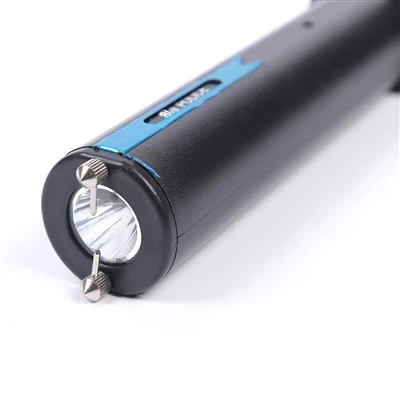
Police Taser If you are in need of riot gear for your organization, whether it’s a law enforcement agency, a private security firm, or any other organization facing potential civil unrest situations, I encourage you to reach out to us for a detailed discussion. Our team of experts can help you choose the right equipment based on your specific requirements and budget. We are committed to providing exceptional products and services to ensure the safety and security of your personnel.
References
- American Society for Testing and Materials (ASTM) standards related to protective equipment.
- International Labour Organization (ILO) guidelines on workplace safety and protective equipment.
- Case studies from law enforcement agencies on the use of riot gear in different scenarios.
Jiangsu Jiuan Police Equipment Manufacturing Co., Ltd.
As one of the leading riot gear manufacturers and suppliers in China, we warmly welcome you to wholesale bulk cheap riot gear from our factory. All customized products are with high quality and low price. For free sample, contact us now.
Address: No. 9, Xihuan South Road, Jingjiang City, Jiangsu Province
E-mail: viola@jiuanpolice.cn
WebSite: https://www.japolice.com/
