Hey everyone, if you’ve ever ordered something heavy in a box that held up surprisingly well, or hauled a load of groceries in a bag that didn’t tear on the way home, there’s a good chance you interacted with PP woven cloth. I’ve been in the PP woven cloth game for over 8 years, working directly with manufacturers, distributors, and small business owners who come to me confused about why PP woven is different from all the other woven cloths out there. A lot of folks I talk to mix it up with regular cotton, polyester, or even other plastic woven fabrics, but the differences aren’t just technical jargon—they matter for how you use a product, how much it costs, and how long it lasts. Today I’m breaking this down like I would with one of my regular clients, no stuffy industry terms that make your eyes glaze over. PP Woven Cloth
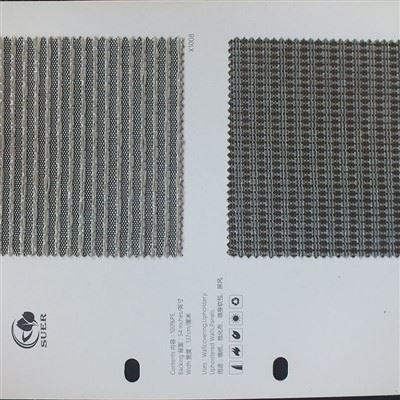
First, let’s get the basics straight: woven cloth is basically made by interlacing two sets of yarns (warp and weft, don’t panic, that’s just the fancy terms for the lengthwise and crosswise threads) at right angles. That’s different from knitted fabric, which is looped together, or non-woven, which is just pressed fibers, but we’re focusing on woven here. The key difference with PP woven? It starts with the material: polypropylene, a type of thermoplastic polymer. It’s super common, used in everything from bottle caps to plastic cutlery, but when it’s spun into thin, flat, tape-like yarns and woven, it becomes that tough, lightweight fabric you see everywhere.
Let’s compare it to cotton woven cloth first, since that’s probably what most people know. Cotton is natural, right? Grown from plants, so it’s breathable, soft, and feels nice against skin. That’s why you use cotton for t-shirts, bed sheets, and tote bags you carry to the beach. But here’s the catch—cotton absorbs water like a sponge. If it gets rained on or spills, it gets heavy, sags, and starts to mildew if it doesn’t dry fast. I had a client a few years back who tried using cotton woven cloth to make bulk feed bags for farmers. By the end of harvest season, half the bags were moldy and falling apart because the cotton absorbed the morning dew every day. PP woven? It’s hydrophobic, meaning it repels water. If you spill water on it, it just beads up and runs off. I once sold a roll of PP woven cloth to a construction company that uses it to cover materials during rain—they still use it 5 years later, and it’s just as good as new, no mold, no sagging. Cotton also has a lower tensile strength, meaning it breaks easier when pulled tight. PP woven is way stronger per ounce, too—so it can hold way more weight without stretching. That’s why you’ll see PP woven used for bulk packaging, like 50lb cement bags or rice sacks, while cotton is for things that don’t need to hold 100 pounds of dry goods.
Next up, polyester woven cloth, which is a synthetic, like PP, but it’s made from polyethylene terephthalate (PET), the same plastic in soda bottles. A lot of people mix PP and polyester because they’re both plastic, but they behave totally different. Polyester is stretchier, for one thing—you’ll see it in athletic wear because it wicks moisture (wait, no, hold on—wait, polyester wicks, but PP doesn’t, right? Wait, let me get that straight: polyester is hydrophobic too, but it’s moisture-wicking because it pulls water away from the skin, while PP just doesn’t absorb anything at all. That’s a big difference. Polyester also has a higher melting point—around 480°F, compared to PP’s 320°F. So if you’re using fabric around heat, polyester is better. But PP is cheaper, way more flexible in cold weather. I live in a place that gets freezing winters, and a lot of my clients use PP woven cloth for outdoor signs or tarps because it doesn’t get brittle and crack when it’s below 20°F. Polyester would get stiff and tear in that kind of cold. Also, PP woven is way more lightweight than polyester. If you need to cover a big area with a tarp, using PP means you’re hauling less weight, which is a huge cost saver for trucking or construction teams. Another thing: PP woven doesn’t hold static electricity like polyester does. I had a electronics client who was using polyester woven for their packaging, and they kept getting static that damaged small circuit boards. Switched to PP woven, and that problem went away overnight. That’s the kind of specific difference that can make or break a business.
Wait, what about woven polyethylene (PE) cloth? I get this question all the time, because PE is another common plastic. PE is softer than PP, more flexible, but it’s way less durable. If you leave woven PE out in the sun for a few months, it gets brittle and turns into dust. PP is UV-stabilized, meaning it can hold up to outdoor sun for years without breaking down. I sell a lot of PP woven to landscapers who use it for erosion control barriers—they leave it outside for 2 years at a time, and it still works. Woven PE would fall apart in 6 months. Also, PP has a higher chemical resistance, so it doesn’t get damaged by mild acids, oils, or fertilizers. That’s why farmers use PP woven for fertilizer bags, not PE—PE would start to break down if it touches liquid fertilizer.
Let’s talk about the practical stuff too, because that’s what most of my clients care about. PP woven cloth is super customizable, right? You can weave it in different weights—from thin, lightweight bags to heavy-duty tarps that can hold 1000 pounds. You can also laminate it with a thin layer of plastic to make it even more waterproof, or add UV inhibitors to make it last longer outdoors. It’s also really easy to print on, so brands use it for custom bags, promotional materials, or product packaging. I had a retail client last year who ordered 10,000 custom PP tote bags for a product launch—they’re way cheaper than cotton, and more durable than non-woven bags. Compare that to cotton custom bags, which are more expensive, fade faster, and get stained easily, or polyester, which costs 2-3 times more than PP for the same weight.
Another big difference: PP woven is more eco-friendly than a lot of other woven cloths. Wait, don’t get me wrong, it’s plastic, so it’s not perfect, but it’s recyclable. You can take used PP woven bags or tarps and melt them down to make new PP products, like furniture or new bags. A lot of municipalities accept PP for recycling now, whereas cotton usually has to be composted (which takes months) and polyester is harder to recycle because it’s a different type of plastic. I work with a recycling company that takes all my clients’ used PP woven scraps to turn into new material, which is a big plus for small businesses that want to be more sustainable.
Wait, let’s clear up a common myth here: people think all plastic woven cloth is the same. But I’ve seen so many clients buy cheap woven plastic from overseas that falls apart in a month, and that’s usually because it’s not pure PP—it’s a mix of PP and PE, or it doesn’t have UV stabilizers. When you work with a reliable PP woven supplier like me, you get pure, virgin PP woven cloth that meets industry standards, so it’s consistent in strength, weight, and durability. That’s a big part of the difference too—quality matters, and not all woven cloth is made equal.
Let me give you an example of how this plays out in real life. Last year, a food distributor came to me because they were using woven cotton bags to ship 25lb bags of rice to rural areas. The cotton bags would tear during transport, and the rice would get wet and moldy in rainy weather. They tried polyester bags, but they were too heavy and expensive. We switched them to 8oz PP woven bags, laminated for extra waterproofing. Now the bags don’t tear, the rice stays dry, and the bags cost 30% less than the cotton ones did. They’ve cut their product damage by 70% and saved thousands of dollars a year. That’s the kind of practical difference that PP woven brings that other woven cloths can’t match.
Another example: a construction company that was using polyester tarps to cover building materials. The tarps would crack in the cold winter, get static that messed with their power tools, and were too heavy to haul up scaffolding. We switched them to lightweight UV-stabilized PP woven tarps. They cost less, don’t crack in cold, don’t build up static, and are half the weight, so their workers can haul them faster. They told me it’s been a game-changer for their winter projects.
So let’s wrap this up, no fancy stuff, just the key differences you should remember:
- PP woven is a plastic-based woven cloth, unlike cotton (natural) and polyester (different plastic).
- It’s water-resistant, mold-proof, and strong for its weight—way better than cotton for heavy or wet use.
- It’s flexible in cold, lightweight, and cheaper than polyester, while being way more durable than woven PE.
- It’s customizable, easy to print on, and recyclable, making it a go-to for packaging, industrial use, and promotional products.
Now, if you’re someone who needs woven cloth for anything from product packaging to outdoor tarps, tote bags, or industrial supplies, and you’re tired of settling for stuff that doesn’t hold up, I’m here to help. I work with clients big and small, get you custom rolls or bulk orders, and make sure you get the right PP woven cloth for your needs, not a one-size-fits-all product. If you want to chat through what you’re working on, or get a quote, just reach out anytime. I’m always down to help a fellow business owner figure out the best solution for their project.
Sun Shade Fabric References:
- The American Association of Textile Chemists and Colorists (AATCC). (2021). Technical Manual: Properties of Polypropylene Textile Materials.
- Plastics Industry Association. (2022). Polypropylene: Applications, Properties, and Recyclability.
- USDA Agricultural Research Service. (2020). Comparison of Woven Fabric Durability for Agricultural Packaging Applications.
- Construction Specifications Institute (CSI). (2023). Guide for Temporary Construction Protective Barriers and Coverings.
Nanping Kingway New Material Co., Ltd.
As one of the most professional pp woven cloth manufacturers and suppliers in China, we also support customized service. With abundant experience, we warmly welcome you to wholesale durable pp woven cloth in stock here from our factory. If you have any enquiry about pricelist, please feel free to email us.
Address: No. 10, Chengnan Branch Road, Chengjiao Town, Nanping, Fujian, China.
E-mail: npjwxcl@aliyun.com
WebSite: https://www.suernew.com/
