Hey there! I’m a supplier of Standard Expanded Metal, and I’ve been getting a lot of questions lately about its impact resistance. So, I thought I’d take a few minutes to chat about it. Standard Expanded Metal
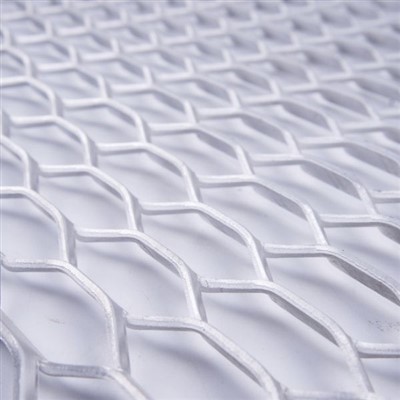
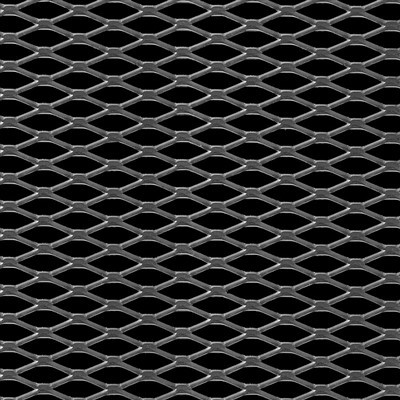
First off, let me give you a quick rundown on what Standard Expanded Metal is. It’s basically a sheet of metal that’s been cut and stretched to create a pattern of diamond-shaped openings. This process not only changes the metal’s appearance but also boosts its structural properties. You can get it in different metals like steel, aluminum, stainless steel, and more. And it’s used in a ton of industries, from construction and manufacturing to transportation and security.
Now, let’s dig into the impact resistance of Standard Expanded Metal. Impact resistance is all about how well a material can handle sudden forces or blows without getting damaged. When it comes to Standard Expanded Metal, its impact resistance is pretty impressive, and there are a few reasons for that.
One of the main factors is the way it’s made. The cutting and stretching process creates a network of interconnected strands. These strands work together to distribute the force of an impact over a larger area. Instead of the force being concentrated in one spot, it spreads out, which reduces the chance of the metal breaking or deforming. It’s like having a team of little soldiers working together to protect the metal.
Another thing that helps with impact resistance is the type of metal used. For example, steel is known for its strength and toughness. When you use steel to make Standard Expanded Metal, you get a product that can withstand a lot of punishment. Stainless steel is even better in some ways because it’s not only strong but also resistant to corrosion. So, it can handle tough environments and still keep its impact – resistant properties.
Aluminum is also a popular choice for Standard Expanded Metal. While it’s not as heavy or as strong as steel, it’s lightweight and has good impact resistance for its weight. This makes it great for applications where weight is a concern, like in the aerospace or automotive industries.
Let me give you some real – world examples of how the impact resistance of Standard Expanded Metal plays out. In construction, it’s often used as a safety mesh. For instance, on building sites, it can be installed on scaffolding or around openings to prevent tools or debris from falling. When a tool accidentally hits the expanded metal mesh, the impact is absorbed and distributed, thanks to its design. The mesh doesn’t break easily, which helps keep workers and people below safe.
In the manufacturing sector, Standard Expanded Metal is used in machine guards. These guards protect operators from flying debris or parts that might come loose during the operation of a machine. The impact – resistant nature of the expanded metal ensures that it can take a hit from a piece of flying metal and prevent it from reaching the operator.
Transportation is another area where it shines. In trucks and trailers, it can be used as a cargo barrier. If the vehicle suddenly stops or gets into a small collision, the cargo might shift forward. The expanded metal barrier can resist the impact of the moving cargo and prevent it from crashing into the driver’s compartment.
But it’s not all sunshine and rainbows. The impact resistance of Standard Expanded Metal has its limits. The size of the diamonds in the expanded metal pattern matters. If the diamonds are too large, the metal might not be as effective at distributing the impact force. Also, the thickness of the metal plays a big role. A thinner sheet of expanded metal will have less impact resistance compared to a thicker one.
If you’re in an environment with extremely high – energy impacts, like in a demolition site or a heavy – duty manufacturing plant, you might need to take extra precautions. You could use multiple layers of expanded metal or combine it with other materials to increase its overall impact resistance.
So, if you’re thinking about using Standard Expanded Metal for your project, here are some things to keep in mind when it comes to impact resistance. First, think about the type of impact it will face. Is it a small, repeated impact or a large, single – event impact? This will help you choose the right thickness and type of metal.
Next, consider the environment. If it’s a corrosive environment, stainless steel might be your best bet. If weight is an issue, aluminum could be the way to go. And don’t forget about the pattern of the expanded metal. You can work with a supplier (like me!) to find the best pattern for your specific needs.
Now, you might be wondering where you can get high – quality Standard Expanded Metal with great impact resistance. Well, that’s where I come in! I’ve been in the business for a while, and I know how to source and supply top – notch expanded metal. Whether you need it for a small DIY project or a large – scale industrial application, I’ve got you covered.
I can help you pick the right type of metal, the right thickness, and the right pattern for your project. And if you have any questions about impact resistance or any other properties of Standard Expanded Metal, I’m here to answer them.
So, if you’re interested in purchasing Standard Expanded Metal, don’t hesitate to reach out. Just drop me a line, and we can start a conversation about your project and how I can help you get the perfect product.
Hexagon Perforated Metal References:
- "Metal Handbook: Properties and Selection – Nonferrous Alloys and Pure Metals", ASM International
- "Engineering Mechanics: Statics and Dynamics", R.C. Hibbeler
Anping Yilida Metal Wire Mesh Co., Ltd.
Anping Yilida Metal Wire Mesh Co., Ltd. is one of the most reliable standard expanded metal manufacturers and suppliers in China, also supports customized service. Please feel free to buy bulk high quality standard expanded metal made in China here from our factory.
Address: Wire Mesh Development Zone, Anping, Hebei Province, China
E-mail: sales@wiremesh-yg.cn
WebSite: https://www.yilidametal.com/
