Hey there! I’m working with a tablet press supplier, and I’m stoked to share some tips on how to optimize the production process on a tablet press. Whether you’re in the pharmaceutical, nutraceutical, or any industry that uses tablet presses, these insights can make a real difference in your workflow and bottom line. Tablet Press
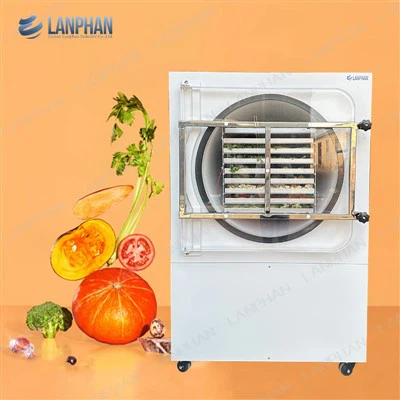
First off, let’s talk about understanding your tablet press. It’s not just a piece of machinery; it’s the heart of your tablet production. Different tablet presses have different capabilities, so you need to know what yours can do. Check the maximum speed, pressure range, and the types of tablets it can produce. If you’ve got an older model, there might be some limitations, but don’t worry – there are still ways to get the most out of it.
Regular maintenance is a no – brainer. Just like you take your car in for an oil change, your tablet press needs routine care. Keep an eye on the punches and dies. Over time, they can wear out, which leads to problems like tablets with inconsistent weights and shapes. You should clean them after each production run. Using the right cleaning agents is crucial. Harsh chemicals can damage the surfaces, so make sure you use the ones recommended by the manufacturer.
Also, lubrication is key. Moving parts need to move smoothly, right? Proper lubrication reduces friction, which in turn cuts down on wear and tear. But don’t over – lubricate; that can attract dust and debris, causing more problems. Check the lubrication points regularly and follow the manufacturer’s guidelines on how often to lubricate and what type of lubricant to use.
Now, let’s get into the powder. The quality of your input powder has a huge impact on the tablet production process. The particle size distribution matters a lot. If the particles are too big or too small, it can affect how the powder flows into the die cavity and how well it compresses. You might need to do some testing to find the optimal particle size for your specific tablet recipe.
Moisture content is another important factor. Powdery materials can absorb moisture from the air, and that can change their properties. If the powder is too moist, it can stick to the punches and dies, leading to issues like capping or lamination. On the other hand, if it’s too dry, there won’t be enough cohesion between the particles, and the tablets might crumble. Use a moisture analyzer to keep track of the moisture content and make adjustments as needed.
Another great way to optimize is to use advanced automation. Modern tablet presses come with all sorts of fancy features that can make your life easier. For example, automatic weight control systems can monitor the weight of each tablet as it’s being produced. If a tablet is too heavy or too light, the system can adjust the feeding mechanism on the fly. This reduces waste and ensures consistent tablet quality.
There are also in – process control systems that can measure things like tablet hardness and thickness in real – time. By getting instant feedback, you can make immediate adjustments to the production process. This means you don’t have to wait until the end of a production run to find out that something went wrong. You can catch problems early and fix them before they cost you a lot of time and money.
Training your staff is super important. Even if you have the best tablet press and the most advanced technology, if your operators don’t know how to use them properly, it won’t do you any good. Make sure your employees are well – trained on how to operate the tablet press, perform maintenance tasks, and troubleshoot common problems. You could bring in the manufacturer’s experts for on – site training or send your staff to training courses. Having knowledgeable and skilled operators can significantly improve the production efficiency and product quality.
When it comes to setting up the tablet press for a new production run, take your time. Every tablet recipe is different, so you need to calibrate the press correctly. Start by adjusting the fill depth. This determines how much powder goes into each die cavity and, ultimately, the weight of the finished tablet. You might need to do some trial and error to get the fill depth just right.
Next, adjust the compression pressure. This is crucial for getting tablets with the right hardness and density. If the pressure is too low, the tablets might be too soft and break easily. If it’s too high, you could have problems like sticking or capping. Use a hardness tester to check the tablets during the setup process and make small adjustments to the pressure until you get the desired results.
Batch size also plays a role in the optimization process. Larger batch sizes can be more efficient in terms of time and resources, but they also come with more risks. If something goes wrong during the production of a large batch, you could end up with a lot of wasted product. Smaller batch sizes give you more control and the ability to make adjustments more quickly. You need to find the right balance based on your production capacity, demand, and the complexity of your tablet recipe.
Monitoring the production environment is often overlooked but is really important. Temperature and humidity can affect the powder properties and the performance of the tablet press. For example, high humidity can make the powder more sticky, while high temperatures can cause the lubricants to break down more quickly. Try to keep the production area at a consistent temperature and humidity level. You might need to install climate control systems if your facility is prone to significant fluctuations.
Finally, data analysis can be a game – changer. Keep track of all the production data, such as tablet weights, hardness, production speed, and downtime. Analyzing this data over time can help you identify trends and patterns. You might find that certain types of tablets are more prone to problems during a particular part of the day or under specific environmental conditions. By understanding these patterns, you can make proactive changes to your production process to avoid issues in the future.
In conclusion, optimizing the production process on a tablet press is a multi – faceted task. It involves everything from maintaining your equipment to controlling the raw materials, training your staff, and using advanced technology. By following these tips, you can improve the efficiency of your tablet production, reduce waste, and produce high – quality tablets consistently.

If you’re looking to take your tablet production to the next level, get in touch with us! We’re here to help you find the best solutions for your specific needs. Our team of experts can assist you with choosing the right tablet press, optimizing your production process, and providing ongoing support. Don’t hesitate to reach out for a discussion on how we can enhance your tablet manufacturing operations.
Autoclave References
- Pharmaceutical Manufacturing Handbook: Production and Processes
- Handbook of Powder Metallurgy
- Tablet Press Operation and Maintenance Manuals (your tablet press manufacturer)
Henan Lanphan Technology Co., Ltd.
We’re well-known as one of the leading tablet press manufacturers and suppliers in China. With abundant experience, we warmly welcome you to buy high quality tablet press for sale here from our factory. For price consultation, contact us.
Address: Room 801, East Tower, Xiyuan Square, Zhongyuan District, Zhengzhou City, Henan Province
E-mail: lanphantech@lanphan.com
WebSite: https://www.lanphantech.com/
