Hey there! I’m an epoxy bushing supplier, and I often get asked how epoxy bushings stack up against graphite bushings. So, I thought I’d take a deep dive into this topic and share my thoughts. Epoxy Bushing

Let’s start with the basics. What are bushings anyway? Well, bushings are mechanical components used to reduce friction between two moving parts. They act as a sort of buffer, protecting the parts from wear and tear and ensuring smooth operation. Both epoxy bushings and graphite bushings serve this purpose, but they have different characteristics that make them suitable for different applications.
Material and Manufacturing
Epoxy bushings are made from epoxy resin, which is a type of thermosetting polymer. This resin is often reinforced with fibers like glass or carbon to enhance its strength and durability. The manufacturing process involves mixing the epoxy resin with the reinforcement material and then molding it into the desired shape. This can be done through methods like compression molding or injection molding.
Graphite bushings, on the other hand, are made primarily from graphite. Graphite is a form of carbon that has some unique properties, like being self – lubricating. Graphite bushings are usually made by machining blocks of graphite into the required shape. Sometimes, they can also be made by mixing graphite with other materials and then sintering them together.
One of the big differences in the manufacturing is the level of precision. Epoxy bushings can be molded to very tight tolerances, which means they can be made to fit very precisely in the application. Graphite bushings, while they can also be machined to high precision, may have more variability depending on the quality of the graphite block and the machining process.
Performance in Friction and Wear
When it comes to friction, both types of bushings have their advantages. Graphite is a well – known self – lubricating material. This means that it can reduce friction between the mating parts without the need for additional lubricants. In applications where adding lubricants is difficult or not possible, graphite bushings are a great choice. For example, in some high – temperature or high – vacuum environments, lubricants can break down or evaporate, but graphite can still provide a low – friction surface.
Epoxy bushings, however, can also have low friction coefficients, especially when they are properly designed and manufactured. The reinforcement fibers in epoxy bushings can help distribute the load evenly, reducing the contact pressure between the parts and thus minimizing friction. And in some cases, epoxy bushings can be formulated with special additives to further enhance their lubricating properties.
In terms of wear resistance, epoxy bushings have a lot to offer. The epoxy resin matrix and the reinforcement fibers work together to create a tough and durable material. They can withstand high loads and repeated impacts without significant wear. Graphite bushings, while they are also quite wear – resistant, may wear out faster in some high – load or high – speed applications. The graphite can gradually erode, especially if the mating surface is rough or if there are abrasive particles present.
Heat Resistance
Heat is a major factor in many industrial applications, and it can have a big impact on the performance of bushings. Graphite bushings have excellent heat resistance. Graphite can withstand very high temperatures without melting or degrading. It can be used in applications where temperatures can reach several hundred degrees Celsius. This makes graphite bushings suitable for use in engines, furnaces, and other high – temperature equipment.
Epoxy bushings, on the other hand, have a lower heat tolerance. The epoxy resin starts to degrade at relatively lower temperatures compared to graphite. However, modern epoxy formulations have been developed to improve their heat resistance. Some high – performance epoxy bushings can withstand temperatures up to around 150 – 200 degrees Celsius. This is sufficient for many general – purpose applications, but if you need to operate in extremely high – temperature environments, graphite might be a better choice.
Chemical Resistance
Chemical resistance is another important consideration. Epoxy bushings are generally very resistant to a wide range of chemicals. The epoxy resin can form a protective barrier against acids, bases, and solvents. This makes them ideal for use in chemical processing plants, water treatment facilities, and other applications where exposure to chemicals is common.
Graphite bushings also have good chemical resistance, especially against non – oxidizing chemicals. But they may be more susceptible to oxidation in the presence of strong oxidizing agents. For example, in applications where there are high concentrations of oxygen or certain strong acids, the graphite can react and degrade over time.
Cost
Cost is always a factor in any purchasing decision. Epoxy bushings are often more cost – effective than graphite bushings. The raw materials for epoxy resin are relatively inexpensive, and the manufacturing processes for epoxy bushings can be more efficient for high – volume production. This means that you can get a large quantity of epoxy bushings at a lower cost per unit.
Graphite, on the other hand, can be more expensive, especially if you need high – purity graphite or if the machining process is complex. So, if cost is a major concern and your application doesn’t require the unique properties of graphite bushings, epoxy bushings are a great option.
Applications
The different properties of epoxy and graphite bushings make them suitable for different applications. Graphite bushings are commonly used in high – temperature applications like furnace doors, conveyor systems in hot environments, and engine components. They are also used in low – voltage electrical applications because graphite is a good conductor of electricity.
Epoxy bushings are widely used in general machinery, automotive parts, and applications where chemical resistance and high precision are required. They can be found in pumps, valves, and various types of industrial equipment.
In conclusion, both epoxy bushings and graphite bushings have their own strengths and weaknesses. If you’re looking for a cost – effective, high – precision, and chemically resistant option, epoxy bushings are a great choice. But if you need a self – lubricating, high – temperature – resistant material, graphite bushings might be more suitable.
If you’re in the market for bushings and are not sure which type is right for your application, I’d love to help. I’ve got a lot of experience in this field, and I can provide you with detailed information and advice. Whether it’s about the technical specifications or the cost – effectiveness, I’m here to assist you. So, don’t hesitate to reach out and start a conversation about your procurement needs. I’m excited to work with you to find the best bushing solution for your business.
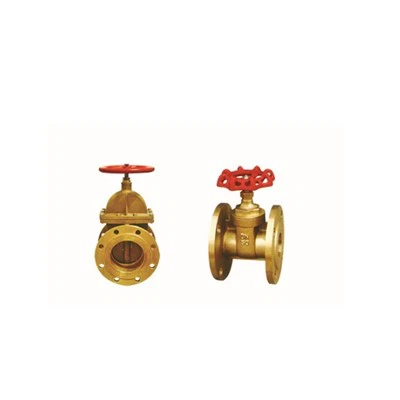
Brass Valves References:
- Various industry reports on mechanical components
- Manufacturer’s specifications for epoxy and graphite bushings
- Technical articles on materials science and engineering
Hebei Anmei Electrical Equipment Co., Ltd.
Hebei Anmei Electrical Equipment Co., Ltd. is one of the most professional epoxy bushing manufacturers and suppliers in China, specialized in providing high quality products and service. Please feel free to buy customized epoxy bushing made in China here from our factory. Contact us for quotation.
Address: Hejian Yingzhou Economic Development Zone, Cangzhou City, Hebei Province
E-mail: sales@anmeielec.com
WebSite: https://www.anmeibushing.com/
