Hey everyone, Steel Wire Braid Hydraulic Hose

If you’ve ever stood next to a piece of heavy machinery—say, a construction excavator digging a foundation, a manufacturing press stamping car parts, or even a farming harvester pulling a combine through a wheat field—you’ve probably glanced at those thick, flexible hoses snaking between the metal components. Those are steel wire braid hydraulic hoses, and I’ve spent the last 12 years in the business as a supplier of them. I’ve heard every horror story: a hose bursting mid-operation, shutting down an entire jobsite for 12 hours, a leak seeping hydraulic fluid into a sensitive work area, or worse, an injury when a hose fails unexpectedly. So today, I want to talk about something I wish every operator, maintenance tech, and even project manager would stop overlooking: the non-negotiable safety precautions for working with these hoses.
Let’s start with why steel wire braid hydraulic hoses aren’t your average garden hose. They’re built for extreme pressure—often 3,000 PSI and higher, with a braided steel reinforcement layer that keeps them from expanding or blowing apart. But that strength is only useful if you treat them right. I’ve seen a new hose straight from the factory go bad in a week because someone made a simple, avoidable mistake. Let’s break down the precautions step by step, starting before you even unspool the hose from its packaging.
First, pre-installation inspection is not a “check the box” task—it’s your first line of defense. Too often, techs will grab a hose, cut it, and fit it without even glancing at its surface. That’s a risk I won’t let our customers take lightly, and I make sure every time I walk a new customer through a shipment, I point out the small details that can signal a problem. First, check the outer cover: look for abrasions, cuts, blisters, or any sign of wear. The outer cover is there to protect the inner tube and the steel braid, right? If it’s scraped down to the fabric or steel, that abrasion can catch on sharp edges during operation, wear through the inner tube over time, and cause a failure. I had a customer last year who told me their hose failed because they ran a line along a rusted metal beam, didn’t tape the beam, and the outer cover wore through in three days. By the time they noticed, the hydraulic fluid was spraying 20 feet, and they’d lost 50% of their system pressure. That could have been a $10,000 repair, not to mention downtime.
Next, check the steel braid itself. You’d be surprised how often a hose gets a hidden kink or crimped point during shipping or handling. When you flex a steel wire braid hose too sharply, the braid wires can snap or pull loose, creating a weak spot. Run your hand along the entire length of the hose—if you feel a bump, a flattening, or any inconsistency, that’s a red flag. Also, check the end fittings. Even if the hose is new, fittings can be loose from manufacturing, or have damaged threads, or corrosion from sitting in a warehouse. A loose fitting can cause a seal leak under pressure, and a damaged thread means the hose won’t lock into place. I always advise our customers to test the fitting by hand first, then use a wrench—never over-tighten, but make sure it’s snug enough that it doesn’t spin when you hold the fitting.
Once you’ve confirmed the hose is good to go, the installation part is where most mistakes happen. Let’s talk about routing. This is something I’ve written into every one of our hose spec sheets, but I see people ignore it all the time. First, avoid sharp bends. The minimum bend radius for a steel wire braid hydraulic hose isn’t a random number—it’s calculated to keep the steel braid from stretching or breaking. If you bend the hose tighter than that radius, you’re literally pulling the braid wires apart, and over time, that will cause the hose to burst. I’ve had a job where an operator bent a 1-inch hose around a sharp edge that was half the minimum bend radius, and it failed on the first cycle. The minimum bend radius is usually printed on the hose label—for example, a common 2-wire braid hose has a 6-inch minimum bend radius for 1-inch ID. Write that down, or make a note to check it before you route. Also, keep the hose away from moving parts. If a rotating shaft or a moving arm can rub against the hose, even with a protective sleeve, that’s a problem. We supply a lot of hose clamps and protective sleeves with our hoses, and I always recommend using them—they’re not extras, they’re safety equipment. Another routing tip: don’t twist the hose when you install it. Twisting a steel wire braid hose distorts the braid, weakens it, and can cause the fittings to leak. If you have to rotate the fitting to align it with the port, do that before you tighten it, not after.
Next, crimping the hose end—this is probably the most critical step, and also the most likely to go wrong if you don’t use the right tools. Crimping is what compresses the fitting onto the hose, creating a permanent, pressure-tight seal. If you crimp too lightly, the hose will pull out of the fitting under pressure; crimp too hard, and you’ll crush the inner tube or the steel braid, causing a weak spot. I’ve seen techs use a generic crimping tool meant for electrical wires on hydraulic hose, and that’s a disaster. Hydraulic hose crimping requires a specialized hydraulic crimping machine that’s calibrated for the exact size and type of hose. Every crimping machine has a chart that tells you the correct crimp diameter for each hose—our team will provide that chart to every customer who buys a hose from us, but I’ve had customers skip checking it and just guess. Last year, a customer sent me a photo of a hose that split right at the crimp, and it turned out they used a crimp diameter that was 1/32 of an inch too small. That tiny difference crushed the inner tube, and it failed within an hour of startup. The only way to confirm a good crimp is to measure the crimped diameter with a caliper—never assume the tool did it right. If you’re not sure how to use the crimping machine, call us, or have a certified tech do it. It’s not worth cutting corners here.
Once the hose is installed, you’re not done—pre-operation testing is another safety step that’s often skipped. I’ve seen teams jump right into full pressure after installing a hose, and that’s how small leaks turn into big explosions. First, do a visual check of all connections, routing, and clamps. Then, pressurize the system slowly, up to 50% of the operating pressure, and let it sit for five minutes. Look for any leaks at the fittings, any bulges in the hose, or any unusual movement. If you see a leak, turn off the system, depressurize it completely (this is key—never try to fix a leak while the system is pressurized), and tighten or replace the fitting. If you see a bulge, that’s a sign the inner tube is swelling, which could mean you used the wrong hose for the pressure rating. I can’t tell you how many times someone will use a low-pressure hose in a high-pressure system, just because it fits. That’s a death wish. Always match the hose’s pressure rating to your system’s operating pressure, and add a 25-30% safety margin—never run at the maximum pressure the hose is rated for.
Now, what about when the hose is in operation? Routine maintenance is non-negotiable. I recommend inspecting every hose on your machinery at least once a week, and more often if the equipment is used in harsh conditions—like extreme heat, cold, or dusty environments. Look for the same things you checked during pre-installation: abrasions, cuts, blisters, kinks, leaks, or loose fittings. Also, pay attention to any changes in performance—if the machinery is slower than usual, that could be a sign of a leak in a hydraulic line. Even a tiny leak can cause a drop in pressure that leads to premature hose failure. Another thing: never use a hydraulic hose as a lifting tool. I’ve seen operators tie a chain to a hose to lift a heavy part, and that’s a surefire way to snap the braid or split the hose. Hoses are for fluid transfer, not lifting.
Let’s talk about emergency situations, too. If a hose does fail—even with all the precautions—what should you do? First, stay away from the hose when it fails. Hydraulic fluid can spray at hundreds of PSI, and at that pressure, it can puncture skin, cause serious eye injuries, or even start fires if it comes into contact with hot surfaces. If someone is struck by spraying fluid, get them to a hospital immediately—this is a serious medical emergency, even if the injury looks small. Never try to catch a spraying hose with your hands, and never use a rag to plug a leak. Turn off the system, depressurize it, and then address the issue. And after any failure, don’t just replace the hose and move on—figure out why it failed. Was it a crimping mistake? Routing that caused abrasion? Using the wrong pressure rating? Fixing the root cause will prevent it from happening again.
I know a lot of people read this and think “this is common sense,” but I’ve been in this long enough to know that common sense gets overlooked all the time. Last month, I visited a construction site where a hose had burst, and the operator told me they’d skipped the pre-install inspection because they were behind schedule. They lost three days of work, and the repair cost twice as much as the hose itself. That’s not a rare story—it’s the reason I make it a point to educate every customer, whether they buy a small order of 10 hoses or 1,000.
If you’re working with steel wire braid hydraulic hoses, these precautions aren’t just suggestions—they’re the difference between a safe job and a catastrophic one. At the end of the day, these hoses are the lifelines of heavy machinery, and taking care of them isn’t just about extending their lifespan—it’s about keeping your team safe, your equipment running, and your projects on track.
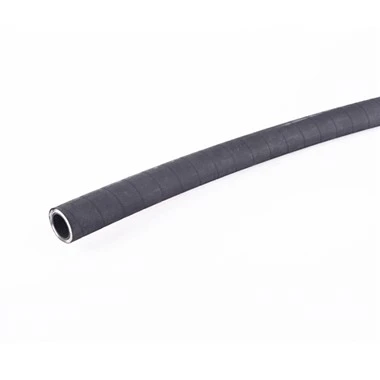
If you have questions about selecting the right hose for your application, proper installation, or maintenance schedules, don’t hesitate to reach out to discuss your specific needs. We’re here to help you choose the right products and practices to keep your operations safe.
Steel Wire Spiral Hydraulic Hose References
- National Fluid Power Association. Hydraulic Hose Safety Guidelines. 2021.
- Occupational Safety and Health Administration (OSHA). Hydraulic Hose and Equipment Safety. 2020.
- Parker Hannifin. Steel Wire Braid Hydraulic Hose Installation and Maintenance Manual. 2022.
- International Organization for Standardization (ISO). ISO 18752: Rubber Hoses and Hose Assemblies for Hydraulic Power Transmission and General Hydraulic Uses. 2019.
Hebei Qianli Rubber Products Co., Ltd.
As one of the most professional steel wire braid hydraulic hose manufacturers and suppliers in China, we have world-leading production equipment and strong manufacturing capabilities. Please feel free to buy bulk durable steel wire braid hydraulic hose made in China here from our factory.
Address: West industrial Zone, Jing County, Hengshui City, Hebei Province, China.
E-mail: manager@hebeiqianli.com
WebSite: https://www.qianlirubber.com/
