A standard sprocket is a fundamental component in many mechanical systems, working in tandem with a chain to transmit power efficiently. As a supplier of standard sprockets, I have witnessed firsthand the crucial role these simple yet ingenious devices play in a wide range of industries. In this blog, I’ll look into the inner workings of standard sprockets and how they interact with chains to keep machinery running smoothly. Standard Sprocket

Basic Structure and Function
Let’s start with the basics. A standard sprocket is a toothed wheel designed to mesh with a chain. It comes in various shapes, sizes, and tooth configurations, each tailored to specific applications. The fundamental principle behind a sprocket’s operation is straightforward: as the sprocket rotates, its teeth engage with the links of the chain, causing the chain to move. This movement transfers power from one shaft to another, enabling the transmission of rotational force.
The teeth of a standard sprocket are precisely engineered to fit the chain’s pitch, which is the distance between the corresponding points on adjacent chain links. This precise fit is crucial for smooth and efficient operation. If the teeth are too large or too small, the chain may not engage properly, leading to slippage, increased wear, and reduced power transfer.
Types of Standard Sprockets
There are several types of standard sprockets, each designed for specific applications. The most common types include roller sprockets, silent sprockets, and double-pitch sprockets.
Roller sprockets are the most widely used type of sprocket. They are designed to work with roller chains, which consist of a series of rollers connected by pins. The teeth of a roller sprocket are shaped to fit the rollers of the chain, providing a positive drive and reducing wear. Roller sprockets are commonly used in applications such as conveyors, agricultural machinery, and industrial equipment.
Silent sprockets, also known as inverted tooth sprockets, are designed to work with silent chains. These chains have a unique tooth profile that meshes with the sprocket teeth, providing a quiet and smooth operation. Silent sprockets are commonly used in applications where noise reduction is a priority, such as in automotive engines and printing presses.
Double-pitch sprockets are similar to roller sprockets, but they have a larger pitch. This makes them suitable for applications where a longer chain length is required, such as in conveyors and agricultural machinery. Double-pitch sprockets are also commonly used in low-speed applications, where the reduced tooth load helps to extend the chain’s life.
How Sprockets and Chains Work Together
The interaction between a standard sprocket and a chain is a complex process that involves several factors. When the sprocket rotates, its teeth engage with the chain links, causing the chain to move. As the chain moves, it exerts a force on the sprocket teeth, which in turn causes the sprocket to rotate. This continuous cycle of engagement and disengagement between the sprocket teeth and the chain links is what allows power to be transmitted from one shaft to another.
One of the key factors that affects the performance of a sprocket and chain system is the tension in the chain. If the chain is too loose, it may slip on the sprocket teeth, causing a loss of power and increased wear. On the other hand, if the chain is too tight, it may cause excessive stress on the sprocket teeth and the chain links, leading to premature failure. Therefore, it is important to maintain the proper tension in the chain to ensure optimal performance and longevity.
Another important factor is the lubrication of the sprocket and chain system. Lubrication helps to reduce friction between the sprocket teeth and the chain links, which in turn reduces wear and heat generation. It also helps to prevent corrosion and rust, which can damage the sprocket and chain. Therefore, it is important to use the appropriate lubricant and to lubricate the sprocket and chain regularly.
Applications of Standard Sprockets
Standard sprockets are used in a wide range of applications across various industries. Some of the most common applications include:
- Conveyor Systems: Sprockets and chains are commonly used in conveyor systems to move materials from one place to another. They are used in industries such as manufacturing, food processing, and logistics.
- Agricultural Machinery: Sprockets and chains are used in agricultural machinery such as tractors, combines, and harvesters. They are used to transmit power from the engine to the various components of the machinery, such as the wheels, blades, and augers.
- Industrial Equipment: Sprockets and chains are used in industrial equipment such as pumps, compressors, and generators. They are used to transmit power from the motor to the various components of the equipment, such as the impellers, pistons, and rotors.
- Automotive Engines: Sprockets and chains are used in automotive engines to drive the camshaft and the timing belt. They are used to ensure that the engine’s valves open and close at the correct time, which is crucial for optimal performance and fuel efficiency.
Advantages of Using Standard Sprockets
There are several advantages to using standard sprockets in mechanical systems. Some of the key advantages include:
- High Efficiency: Sprockets and chains provide a highly efficient means of power transmission. They have a low coefficient of friction, which means that less energy is lost in the form of heat. This results in higher efficiency and lower operating costs.
- High Load Capacity: Sprockets and chains are capable of transmitting high loads. They are designed to withstand the forces generated by the mechanical system, which makes them suitable for heavy-duty applications.
- Versatility: Sprockets and chains come in a wide range of sizes and configurations, which makes them suitable for a variety of applications. They can be used in both high-speed and low-speed applications, and they can be customized to meet the specific requirements of the mechanical system.
- Durability: Sprockets and chains are made from high-quality materials, such as steel and alloy steel, which makes them highly durable. They are designed to withstand the wear and tear of continuous use, which means that they have a long service life.
Maintenance and Troubleshooting
Proper maintenance is essential to ensure the optimal performance and longevity of a standard sprocket and chain system. Here are some maintenance tips:
- Regular Inspection: Inspect the sprocket and chain regularly for signs of wear, such as worn teeth, stretched links, or corrosion. Replace any worn or damaged components immediately.
- Lubrication: Lubricate the sprocket and chain regularly to reduce friction and wear. Use the appropriate lubricant for the application.
- Tension Adjustment: Check the tension of the chain regularly and adjust it as needed. A loose chain can cause slippage, while a tight chain can cause excessive stress on the sprocket and chain.
- Alignment: Ensure that the sprocket and chain are properly aligned. Misalignment can cause uneven wear and premature failure of the sprocket and chain.
If you encounter any problems with your sprocket and chain system, here are some troubleshooting tips:
- Slippage: If the chain is slipping on the sprocket, check the tension of the chain and adjust it as needed. Also, check for worn teeth or a damaged chain.
- Noise: If the sprocket and chain system is making noise, check for misalignment, worn teeth, or a lack of lubrication.
- Excessive Wear: If the sprocket and chain are showing excessive wear, check for improper tension, misalignment, or a lack of lubrication.
Conclusion
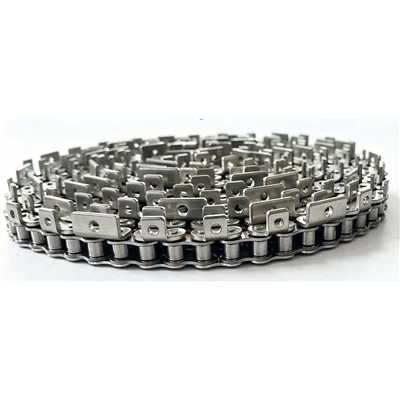
In conclusion, standard sprockets are essential components in many mechanical systems, working in harmony with chains to transmit power efficiently. As a supplier, I understand the importance of providing high-quality sprockets that are designed to meet the specific needs of our customers. Whether you’re in the conveyor, agricultural, industrial, or automotive industry, our standard sprockets can provide reliable and efficient performance.
Motorcycle Chains If you’re in the market for standard sprockets, I encourage you to reach out to us for a consultation. We have a team of experts who can help you select the right sprockets for your application and provide you with the best possible service. Let’s work together to ensure your machinery runs smoothly and efficiently.
References
- "Mechanical Design Handbook" by Robert C. Juvinall and Kurt M. Marshek
- "Chain Drives: Selection and Application" by the American Chain Association
- "Sprocket and Chain Engineering Manual" by a leading sprocket manufacturer
Anhui Huihuang Chain Transmission Co., Ltd.
Anhui Huihuang Chain Transmission Co., Ltd. is one of the most professional standard sprocket manufacturers and suppliers in China, also supports high quality customized service. Please feel free to buy discount standard sprocket made in China here from our factory. Welcome to contact us for pricelist and free sample.
Address: NO.3 YONGQIANG ROAD. JIXI.ANHUI.CHINA
E-mail: 754590660@qq.com
WebSite: https://www.hhchains.com/
