Hey there! I’m an abrasive pads supplier, and I often get asked, "Can abrasive pads be used for sanding fiberglass sculptures?" Well, let’s dive right into this topic and find out. Abrasive Pads
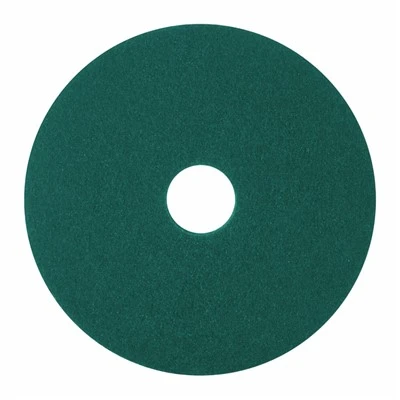
First off, let’s talk a bit about fiberglass sculptures. Fiberglass is a composite material made of fine glass fibers woven or matted together and then embedded in a resin matrix. It’s popular for sculptures because it’s lightweight, strong, and you can mold it into all sorts of crazy shapes. But once the sculpture is molded, it usually has a rough surface with bumps, ridges, and uneven areas. That’s where sanding comes in.
Now, abrasive pads are a great option for sanding fiberglass sculptures, and here’s why. Abrasive pads come in different grits. Grit refers to the size of the abrasive particles on the pad. Lower grit numbers, like 40 or 60, mean larger abrasive particles, and these are great for the initial rough sanding. When you’re first working on a fiberglass sculpture, there might be big chunks of excess resin or rough edges from the molding process. Using a low – grit abrasive pad, you can quickly remove these and start to shape the surface.
For example, I had a customer who was working on a large fiberglass statue of a mythical creature. The initial mold had some rough spots where the fiberglass had oozed out in places. We recommended a 60 – grit abrasive pad. They were able to quickly knock off those rough edges and get the statue to a more manageable shape. It saved them a ton of time compared to using other rough – sanding tools.
Once you’ve done the initial rough sanding, it’s time to move on to finer grits. Medium – grit pads, like those with a grit of 120 – 220, are great for smoothing out the surface further. They’ll start to remove the scratches left by the low – grit pad. Think of it as like painting a wall. You wouldn’t just try to paint over a very rough surface; you’d sand it down first. The same goes for fiberglass sculptures. Using a medium – grit abrasive pad will make the surface much smoother and more even, preparing it for the final finishing steps.
After the medium – grit sanding, you can use high – grit pads, say 320 or higher. These are for the super – fine finishing touches. They’ll give the fiberglass sculpture a really smooth, polished look. You can use them to bring out the details in the sculpture and make it look professional. For instance, if you’re sanding a fiberglass flower sculpture, the high – grit pad can help you make the petals look smooth and shiny.
But there are a few things you need to keep in mind when using abrasive pads on fiberglass sculptures. One of the most important things is to use the right amount of pressure. If you press too hard, you can damage the fiberglass. Fiberglass is strong, but it can still crack or chip if you’re too rough. On the other hand, if you don’t press hard enough, the abrasive pad won’t do its job properly. You need to find that sweet spot. It might take a bit of practice, but once you get the hang of it, sanding with abrasive pads becomes a breeze.
Another thing is to use a sanding block. A sanding block helps to keep the abrasive pad flat against the surface of the sculpture. This ensures even sanding and prevents you from creating uneven spots. You can buy a cheap sanding block at any hardware store, or you can even make one at home out of a piece of wood and some padding.
Also, make sure to sand in a well – ventilated area. When you’re sanding fiberglass, tiny particles are released into the air. These particles can be harmful if inhaled. So, open up some windows or use a fan to blow the dust away. And it’s a good idea to wear a dust mask to protect your lungs.
When it comes to the type of abrasive pads, you have a few options. There are hook – and – loop abrasive pads, which are really convenient. They stick to a sanding tool easily, so you can change the pads quickly when you need to switch grits. Then there are adhesive – backed abrasive pads. These are great if you’re sanding by hand, because they can be stuck directly onto a sanding block.
Let me share a story from one of my other customers. They were a small art studio that specialized in fiberglass sculptures for local exhibitions. They used to use traditional sandpaper, but it was really time – consuming to change the sheets, and the sanding wasn’t always even. When they switched to our abrasive pads, they were amazed at the difference. The hook – and – loop pads made it so easy to change grits, and the even sanding gave their sculptures a much higher – quality finish. Their sales went up because their sculptures looked better, and they were able to produce more pieces in less time.
In conclusion, abrasive pads are definitely a great choice for sanding fiberglass sculptures. They offer a wide range of grits to handle different stages of sanding, from rough shaping to fine finishing. But remember to use the right pressure, use a sanding block, and work in a well – ventilated area.
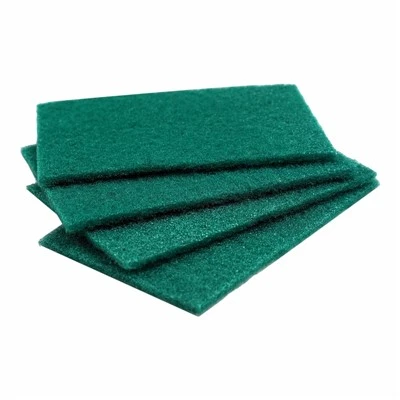
If you’re working on fiberglass sculptures and are looking for high – quality abrasive pads, we’re here to help. We’ve got a great selection of pads in various grits to suit your needs. Whether you’re a professional sculptor or a hobbyist just starting out, our abrasive pads can make your sanding process much easier and more efficient. Reach out to us for a friendly chat about your sanding needs and let’s discuss how our products can fit into your project.
Scrubbing Pads References
- About fiberglass: General knowledge from the fiberglass industry.
- Abrasive pad usage: Practical experience from numerous customer interactions and the sanding industry knowledge.
Guangzhou YION New Material Technology Co., Ltd.
As one of the most professional abrasive pads manufacturers and suppliers in China, we offer a wide range of products with superior quality. Please feel free to buy customized abrasive pads made in China here from our factory. Also, quotation is available.
Address: Room 110, Building 2, No. 2 Jinhuan Street, Nansha District, Guangzhou City, Guangdong Province, China.
E-mail: info@yiontech.cn
WebSite: https://www.yionpads.com/
