If you’ve ever dropped a smartphone, cracked a patio table edge, or shattered a shower screen, you know tempered glass is designed to hold its calm when regular glass would split into sharp, dangerous shards. As someone who’s run a tempered glass supply business for 12 years—meeting residential, commercial, and industrial clients from local contractors to national retail chains—one question I get asked more than any other is: “Does tempered glass come with a warranty?” Tempered Glass
The short answer, for anyone who’s ever been burned by a “lifetime” guarantee that only covers the price of a soda 6 months later, is this: it depends. Not all tempered glass warranties are created equal, and most of the confusion comes from mixing up manufacturer guarantees, retailer promos, and product defects vs. user error. Let’s break this down like I do with my clients when they call me nervous about a big glass order, no jargon included, just the real stuff I’ve learned from 12 years on the loading dock and in the service calls.
First, let’s get one critical fact straight: tempered glass is stronger than annealed (regular) glass, but it’s not unbreakable. It goes through a heat treatment process where we heat the glass to 620°C (1148°F) and then blast it with cool air, compressing its outer layers and toughening it to 4–5 times the strength of regular glass. But that same process also creates a hidden flaw that no quality control test can catch 100% of the time: nickel sulfide inclusions. These tiny, harmless particles form when the glass is melted, and in the rare case they get trapped during tempering, they expand and contract at a different rate than the surrounding glass. Over months or years of temperature changes (like a patio table left outside in Minnesota winters or a car windshield baking in Arizona summers), the glass can spontaneously shatter without any impact. That’s a true manufacturing defect, and that’s what warranties should cover.
Let’s start with the warranties we provide directly as a supplier, because that’s what I know best. For every tempered glass product we ship—whether it’s a custom shower screen, smartphone screen protector, commercial storefront panel, or farm equipment window—our base manufacturer’s warranty covers two specific things only: 1) spontaneous breakage from nickel sulfide inclusions that happens during the first 10 years of use, and 2) manufacturing defects in the tempering process itself (like uneven heating that creates weak spots) that result in visible flaws before the glass is even installed. The warranty is non-transferable, which means it only applies to the original buyer, and it requires proof of purchase. No, that’s not a loophole—it’s because we need to track the batch number of the glass to verify it passed our internal quality checks.
Here’s what our warranty doesn’t cover, and I make sure every client reads this clause twice before signing an order form: accidental damage (dropping a phone, hitting a shower screen with a shampoo bottle, smashing a storefront with a baseball), installation errors (we don’t send installers, but if a contractor drills the wrong hole in a tempered panel, that’s their mistake—we recommend pre-drilling tempered glass only if we specify it’s safe, which it usually is for small holes, but not if you go rogue), modification (cutting, drilling, or polishing tempered glass after it leaves our facility—any alteration destroys its molecular structure and makes it weaker than regular glass, so that’s 100% on the customer), and normal wear and tear (like minor scratches on a tablet protector from a key in a pocket, or fogging on a patio table from years of outdoor use).
Now, let’s talk about the confusion that comes from retailer warranties, because that’s where most people get scammed. A lot of big box stores that sell tempered glass products (like those $10 smartphone screen protectors) offer a “lifetime warranty” that sounds amazing until you read the fine print. Most of those only cover the cost of a replacement protector, not labor to install it, and they often exclude damage from drops or impacts—so if your screen shatters because you sat on your phone, the retailer will give you a new protector, but good luck finding someone to install it for free. For commercial projects, some contractors will offer a 1-year warranty on installation, but that’s separate from the manufacturer’s warranty on the glass itself. I always tell my clients to separate the two: the glass’s performance warranty is from the tempering facility, and the installation warranty is from the contractor.
Wait, but what about that spontaneous breakage I mentioned? That’s the big one that surprises people. A few years back, we had a client call us at 7 a.m. in a panic because their brand-new tempered patio table shattered overnight, no one touched it. We looked up the batch number, confirmed it passed our quality tests, and filed a claim under our warranty. We replaced the table for free, no questions asked. But I also had a client last year who called because their 2-year-old commercial storefront window shattered after a construction worker dropped a brick 20 feet away—we told him that was impact damage, not a manufacturing defect, and the warranty didn’t apply, so he had to work with his insurance. That’s the line we draw every time, and it’s why I always advise clients to keep their insurance and our warranty separate. The best case is when both cover different parts of potential issues, but they never overlap.
Another common question: does tempered glass have a warranty if it’s a DIY product, like a shower screen you bought online and installed yourself? Yes, but it’s the same terms—our DIY shower screens have a 10-year warranty against spontaneous breakage and manufacturing defects, same as our commercial order warranties. The only difference is that we don’t offer on-site verification for DIY projects, so we ask for photos of the glass if a claim is filed. If it’s clearly a drill hole mistake, we’ll ask you to confirm that the hole was there when you received the glass (we include a pre-drilling guide with every shower screen kit) instead of just taking your word for it.
I’ve seen so many clients make the mistake of assuming all tempered glass has the same warranty, and that leads to disappointment. Last year, a customer brought in a cracked phone screen protector he bought from a gas station, complaining that the “lifetime warranty” they advertised didn’t cover his broken phone. I explained that the gas station’s warranty only covers the protector itself, not the device underneath, and that our custom-fit screen protectors for industrial use have a 2-year warranty that covers defects in the glass and the adhesive, which the gas station’s product didn’t even have. That’s why I always tell people to ask three specific questions when buying tempered glass: 1) what exactly does the warranty cover, 2) how long is the term, and 3) do I need to pay anything to file a claim (most reputable suppliers don’t charge for labor to replace defective glass, but some do).
What about commercial and industrial applications? For example, a restaurant buying tempered glass table tops or a factory buying tempered glass safety guards for machinery—their warranties are usually extended, up to 15 years, because commercial products get more use and are often required to meet safety codes. We work closely with commercial clients to tailor warranties to their needs; if a restaurant has a lot of foot traffic around their patio tables, we can add a 1-year extension on accidental breakage for an extra fee, which covers things like a waiter bumping a table and cracking the edge.
Now, let’s talk about what makes a warranty good vs. a scam. A good tempered glass warranty will have clear, specific terms: it will name exactly what defects are covered (nickel sulfide inclusions, tempering process errors), how long the term is, what proof is required (purchase receipt, batch number, photos of the defect), and whether it covers replacement cost only or installation too. A bad warranty will use vague language like “covers all defects” or “lifetime” that excludes almost everything except the glass itself, and it will have fine print that makes it almost impossible to file a claim. For example, some warranties require you to ship the defective glass back at your own cost, which can add hundreds of dollars to a claim for a large patio table. Our policy is that for valid claims, we pay for shipping both ways, and we cover the cost of a local installer if the product is over $500, so the client doesn’t have to deal with the hassle.
I also want to mention a common myth: some people think tempered glass warranties cover scratches or scuffs. No—tempered glass is resistant to scratches, but it’s not scratch-proof. A hard surface like a kitchen knife or a key will scratch it, and that’s not a defect. Our warranties only cover structural integrity, not cosmetic flaws that don’t affect safety. That’s another point I make clear to clients at the start, so there’s no miscommunication later.
As a supplier, we’ve learned over the years that the best way to build trust is to be transparent about warranties. We don’t hide the terms in small print; we include a full copy of the warranty with every order, and our sales team is trained to explain it in plain language, not industry jargon. We’ve had to process less than 2% of claims in the last 12 years, which means our quality control is solid, but when we do have a claim, we process it within 7 business days, no hoops to jump through.
If you’re in the market for tempered glass—whether it’s for a phone, a shower, a storefront, or any other use—don’t just look for the lowest price. Ask about the warranty. Make sure you understand what it covers, how long it lasts, and what steps you need to take if you have a problem. If you’re a contractor looking for a reliable supplier with consistent warranties for your projects, or a homeowner working on a remodel, I’d be happy to walk you through our warranty terms and help you pick the right product for your needs. You can reach out to discuss your specific project, no obligation.
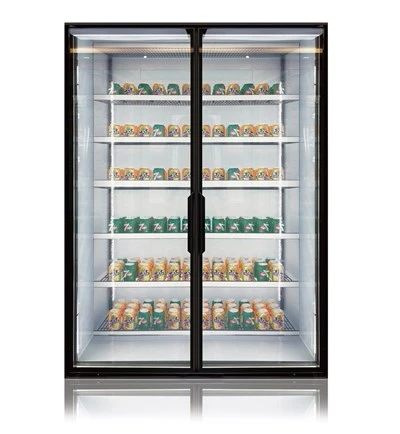
Display Framelessd Glass Door At the end of the day, tempered glass is a durable, safe material, but it’s not perfect. The warranty is there to protect both you and us—we stand behind the quality of the glass we temper, and we want our customers to feel confident that if something goes wrong through no fault of their own, we’ll fix it. That’s the reason we’ve stayed in this business for 12 years, and it’s the promise we make to every client.
References
- Glass Packaging Institute. (2021). Tempered Glass: Properties, Testing, and Safety Standards.
- International Organization for Standardization. (2018). ISO 12543: Glass in Building – Laminated Glass and Laminated Safety Glass.
- National Glass Association. (2020). Warranty Best Practices for Glass Suppliers and Fabricators.
- American Society for Testing and Materials. (2019). ASTM C1048: Standard Specification for Heat-Treated Flat Glass – Kind HS, Kind FT Coated and Uncoated Glass.
Coste Glass Door Co., Ltd.
As one of the most professional tempered glass manufacturers and suppliers in China, we’re featured by quality products and good price. Please feel free to wholesale bulk tempered glass in stock here and get quotation from our factory. Customized orders are welcome.
Address: 41/47, VILLAGE NO.5 KHOK KRABUE SUBDISTRICT MUEANG SAMUT SAKHON DISTRICT ,SAMUT SAKHON PROVINCE 74000 ,Thailand
E-mail: Alicezhou@shhag.com
WebSite: https://www.costeglassdoor.com/
