Hey there! If you’ve ever stared at a stack of solid-wall tent fabrics in your workshop (guilty as charged, I’m out here sourcing and testing these materials every single day) and wondered, “What even is the best stuff for a tent that’s gonna keep wind, rain, and weird mid-hike temperature swings out?” – you’re not alone. I get a dozen DMs a week from camp owners, event coordinators, and even casual campers who’ve blown out a tent on a festival site or watched their 3-season model leak like a colander in a rainstorm. As a tent fabric supplier, I’m not here to push whatever’s sitting on our warehouse shelf (trust me, I turn down way more sketchy materials than I sell) – I’m here to break down the real, practical science behind picking the right fabric for solid-walled tents, no fancy jargon required. Tent Fabric
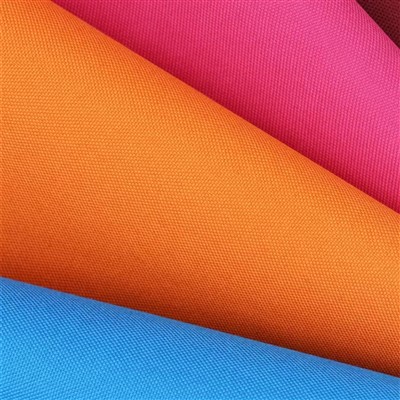
First, let’s get one thing straight: “solid-wall tent” isn’t just a fancy term for a regular tent. These are the walls that don’t mesh – think cabin tents for family camping, event tents for weddings, emergency response shelters, or even those pop-up shade structures that feel like a permanent hut at a campground. Their whole job is blocking elements, so the fabric can’t just be “stretchy and light” like a backpacking tent. It needs to hold up to UV, punctures, mildew, and whatever mom nature (or a drunk festival-goer with a spiky chair) throws at it.
Let’s start with the big three most common fabrics we work with, and why people (including our team) swear by or avoid them. First up is Polyester – this is our bread and butter, no cap. Wait, but not just any polyester – 210D Oxford, 420D Oxford, the whole range, with a urethane coating, right? Let’s do the quick science: polyester is inherently pretty strong, has decent UV resistance, and it doesn’t stretch like crazy when it gets wet (that’s a huge win – no sagging walls halfway through a 3-day rain). The D in polyester fabric stands for denier, which is just a measure of how thick the individual fibers are, so higher denier = thicker, tougher fabric. For most casual to mid-use solid-wall tents (family camping, small pop-up events), 210D is perfect – it’s light enough to carry, easy to stitch, and holds up to moderate wind (up to 30-35 mph, if you’re curious) as long as you tension it right. But if you’re dealing with harsher stuff – like construction site shelters, festival tents that get loaded and unloaded 10 times a month, or areas with intense sun (think Arizona or the Australian outback) – you step up to 420D. It’s twice as thick, puncture-resistant enough to keep wayward tent stakes or tree branches from poking through, and the UV inhibitors woven in mean it won’t fade to a sad, brittle gray after one summer.
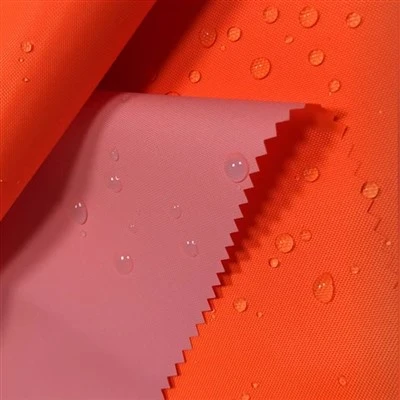
Wait, but why do we coat polyester with urethane? Raw polyester will get wet, no matter how tight the weave is – water molecules are tiny, and they’ll seep through the gaps between fibers. A good 1500mm to 3000mm polyurethane (PU) coating on the inner side blocks that, creating a waterproof barrier. The mm rating is how much water pressure the fabric can take before leaking – 1500mm is great for light rain, 3000mm is for downpours. Pro tip: if someone tries to sell you a “waterproof polyester” without mentioning the PU coating, run. That’s just a woven fabric, not actually rainproof.
Next up, Nylon – this is the “stronger than polyester but with a catch” option. Nylon has higher tensile strength, so it can stretch a tiny bit without tearing, which is why it’s used for backpacking tent floors. But for solid walls? It’s a mixed bag. Nylon absorbs water, so when it gets wet, it stretches out, which means your walls will sag over time. That’s a big no-no for tents that need to hold their shape. Also, UV rays break down nylon way faster than polyester – I’ve had a customer send back a nylon solid-wall tent that faded and turned sticky after two weeks of being set up at a music festival, and that’s not an anomaly. We only use nylon for very specific custom orders, like ultra-lightweight backpacking solid-wall add-ons, and even then we coat it with a special UV-resistant finish to slow it down. For 90% of solid-wall tents, nylon just isn’t worth the hassle.
Third, and probably the most underrated for heavy-duty use, is Vinyl (PVC) – yeah, that’s the plastic-y stuff you see at big wedding tents or market stalls that stay up all year. Vinyl is 100% waterproof (no gaps, no coatings needed) and super tough – it can handle wind up to 50 mph, hail, and even minor snow loads. But here’s the catch: it’s heavy, it gets stiff in cold weather (so if you’re camping in Minnesota in January, it’ll crack if you bend it), and it’s not breathable at all. If you’re setting up a 10×10 market tent that’s up for 6 months straight in a mild climate, vinyl is perfect – it won’t leak, it’s easy to wipe clean, and it looks sharp. But if you’re building a family tent that gets taken down and stored every season, vinyl is overkill, and it’s way harder to stitch or modify than polyester. I once had a customer try to cut a vinyl tent wall to add a window and ended up with a frayed, leaking mess – so unless you’re a professional with special equipment, steer clear of vinyl for custom work.
Wait, hold on – I can’t skip over the non-negotiable add-ons that make a fabric actually good for solid walls. It’s not just the base material, it’s what’s woven or coated into it. First, UV inhibitors. I don’t care how strong a fabric is – if it fades and gets brittle in 6 months, it’s useless. All the good solid-wall fabrics we carry have UV stabilizers built into the fibers, not just sprayed on the surface. Sprayed-on UV coating will wash off after a couple rain cycles, but built-in ones last the entire life of the fabric. That’s why we test every batch before it hits the warehouse – we put samples in a UV chamber for 1000 hours to make sure they don’t break down.
Then there’s mildew resistance. Solid walls trap moisture, right? If you’re camping in a humid area and you fold a damp tent to store it for a week, mildew will grow and leave permanent stains, plus it breaks down the fabric. Most good fabrics now have a bio-based mildew inhibitor woven in – it’s non-toxic, so it doesn’t irritate skin, and it stops mold from growing even if the tent stays a little damp. We once had a customer who used our fabric for a disaster response tent that got rained on for 3 straight days, and when they stored it, they didn’t have a single mildew spot – that’s the stuff you want.
What about puncture resistance? That’s a big one for people who move tents around a lot. The denier rating plays a part, but the weave too. Oxford weave is the standard for solid walls because it’s interlocked so tight that there’s almost no give. We also offer reinforced edges in high-traffic areas – like where the tent attaches to the frame – that have an extra layer of fabric sewn in. I always tell customers: pay a little extra for reinforced corners. You’ll thank me when you don’t have to fix a hole from a tent stake digging in or a kid running into the corner with a bike.
Wait, let’s talk about when to pick which fabric, because I know half of you are scrolling for a quick answer, so here’s the cheat sheet. If you’re building a casual family tent, summer only, maybe take it to the beach and festivals? Go with 210D Oxford polyester, 1500mm PU coating, UV and mildew resistant. It’s light, cheap enough to replace every few years if you want, and works great for light to moderate rain. If you’re doing heavy use – construction shelters, market tents that get set up and taken down weekly, festivals that go on for days? 420D Oxford polyester, 3000mm PU coating, extra reinforced edges. That’s our top seller for a reason. If you need a tent that stays up year-round, in a mild climate, no takedowns? Vinyl. Just make sure you get a flexible vinyl (not the cheap rigid stuff) so it doesn’t crack in heat. And if you’re thinking nylon for anything but a tiny custom project? Don’t. Trust me, I’ve seen way too many people waste money on nylon.
Now, let’s get real about what suppliers (like me) don’t tell you. A lot of places will advertise “100% waterproof” fabric, but they only test it in perfect lab conditions. What if you’re in a wind-driven rain, where water hits the fabric at an angle? A lower mm rating will leak. Or what if the fabric is stretched too tight and the PU coating cracks? That’s a common mistake when people assemble their own tents. We always include a little care guide with every bulk order – like don’t store wet tents, tension the fabric evenly, and avoid dragging the tent across sharp gravel. That stuff makes the fabric last twice as long.
I also get a lot of questions about “breathability” for solid walls. Wait, why would you want a solid wall to breathe? Because if the tent is too airtight, condensation builds up – inside walls, on the ceiling, making everything damp. The good news is, polyester and nylon fabrics have micro-gaps in the weave that let tiny water vapor molecules escape, even when they’re coated with PU. Cheap fabrics with thick, non-breathable PU will trap condensation, so make sure the PU coating is breathable – it’s a little more expensive, but it’s worth it for sleeping in the tent. We only carry breathable PU coatings, and we label every batch so customers know what they’re getting.
Wait, let’s address the elephant in the room: cost. I know some of you are looking for the cheapest possible fabric. But here’s the thing: if you buy a $1 per yard fabric that falls apart in a year, you’ll spend $5 per yard over 5 years, which is more than if you buy a $2 per yard fabric that lasts 5 years. It’s basic math, but I still have customers come back after buying cheap fabric, saying “your stuff is more expensive but it’s worth it.” That’s why we prioritize quality over cheap – we source from mills that test every fabric for UV resistance, tensile strength, and waterproofing, not just cranking out the cheapest stuff possible.
Let’s wrap this up with a quick story, because I think that’s what makes this real. A guy reached out to me last year who ran a small family campground in upstate New York. He had been buying cheap 150D polyester tents for his cabin rentals, and every winter, the wind would tear the walls, and mildew would grow because the cheap fabric had no UV inhibitors. He switched to our 3000mm 420D polyester solid-wall fabric, and a year later, he emailed me saying he hasn’t had a single tear or mildew spot, even after a brutal winter with 60 mph winds and 3 feet of snow. He reuses the frames from his old tents, so he only has to buy the fabric, which saved him a ton of money. That’s the kind of win we live for – not just selling fabric, but helping people make stuff that works.
If you’re a tent maker, event planner, camp owner, or even a DIYer building a custom solid-wall tent, and you’re not sure which fabric is right for your project – hit us up. We don’t push whatever we have in stock, we ask questions: what’s the tent for? How often will you use it? What kind of weather does it need to handle? And we’ll help you pick the best fabric, no hidden fees, no sales pitches. We even offer sample swatches so you can feel the difference between 210D and 420D, see the texture, check the coating, before you order bulk.
At the end of the day, the best tent fabric for solid-wall tents isn’t the most expensive, or the shiniest, or whatever is trending on TikTok. It’s the fabric that matches your use case – light for casual camping, tough for heavy use, waterproof for rainy climates, UV-resistant for sunny ones. I’ve tested hundreds of fabrics, turned down hundreds of bad orders, and worked with everyone from small tent makers to large event companies, and the sweet spot is almost always high-denier polyester with a quality PU coating, UV and mildew inhibitors, and reinforced edges. Skip the cheap nylon, skip the flimsy vinyl, and you’ll have a tent that lasts for years.
Ready to talk about your project? We’re here to help you get the right fabric, no nonsense.
Car Cover Fabric References:
- Outdoor Industry Association. (2022). Tent Fabric Performance Standards: Water Resistance, UV Stability, and Durability.
- Textile Institute. (2021). Technical Fabrics for Recreational Shelters: Weave Types and Coating Properties.
- National Park Service. (2020). Backcountry Shelter Material Selection Guide: Durability and Environmental Resistance.
- ASTM International. (2019). Standard Test Methods for Water Vapor Transmission of Materials, E96/E96M-19.
Wujiang Jiashunxin Spray Weaving Co., Ltd.
As one of the most professional tent fabric manufacturers and suppliers in China, we’re featured by quality products and good service. We warmly welcome you to wholesale bulk customized tent fabric from our factory. If you have any enquiry about free sample, please feel free to email us.
Address: Xingli New Village, Lili Town, Wujiang District, Suzhou City, Jiangsu Province
E-mail: xuzhiqiang20260525@163.com
WebSite: https://www.shunbangfabric.com/
